
Lessons From the East Branch
As an avid canoeist who feels most at home on a multi-day backcountry canoe camping trip, this youth trip was the one I was looking forward to most. Not only did I get to share one of my favorite hobbies with students, but I got to share one of my favorite places to do it, too.
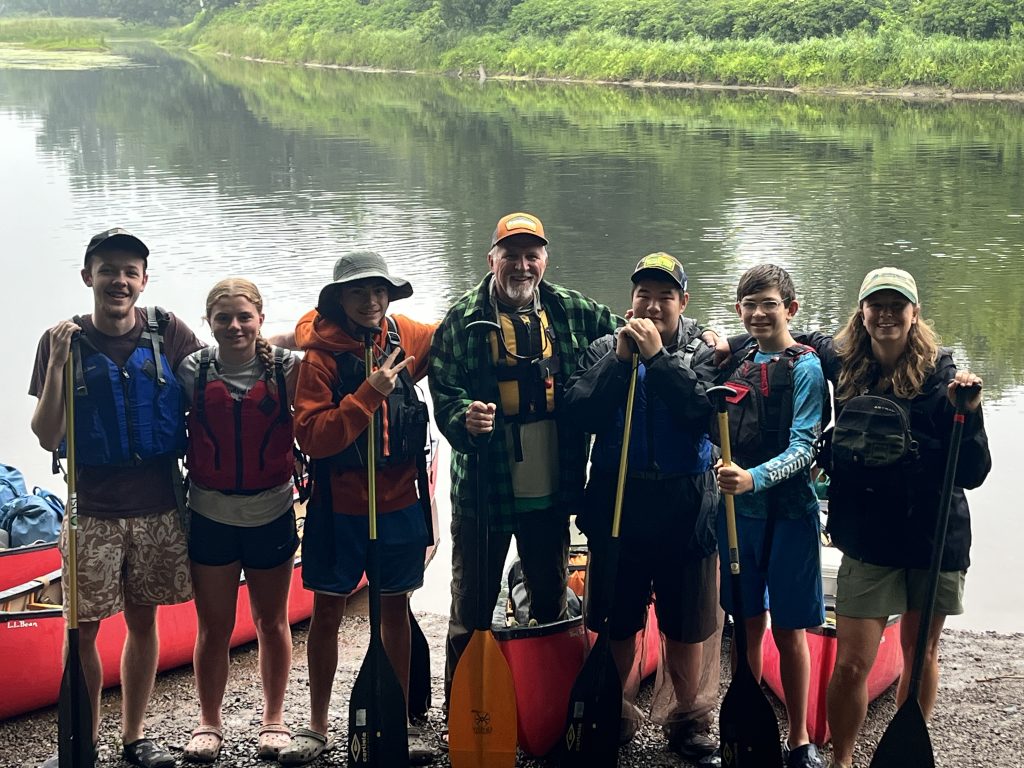
On a clear Monday morning, five sleepy teens met us in Millinocket to start our journey. They unpacked their carefully packed bags, only to repack everything into dry bags. We encouraged them to pack light since they would also need to fit their sleeping bags, pads, and tents. All of these students had been on trips with us before, whether another overnight trip this summer, last year, or during the school year, so they were familiar with the routine. Right away, we started seeing little moments of leadership emerge. We were off to a good start.
Our leadership team brought a pretty impressive combination of experience and expertise to this 3-day trip: Greg Friel, Master Maine Guide, Wilderness First Responder, fishing guide extraordinaire; Michelle Martin, Maine Recreation Guide, Wilderness First Aid certified, incredible botanist and myself, a Maine Recreation Guide, Leave No Trace Level 2 Instructor, and Wilderness First Responder. Needless to say, these students were in good hands.
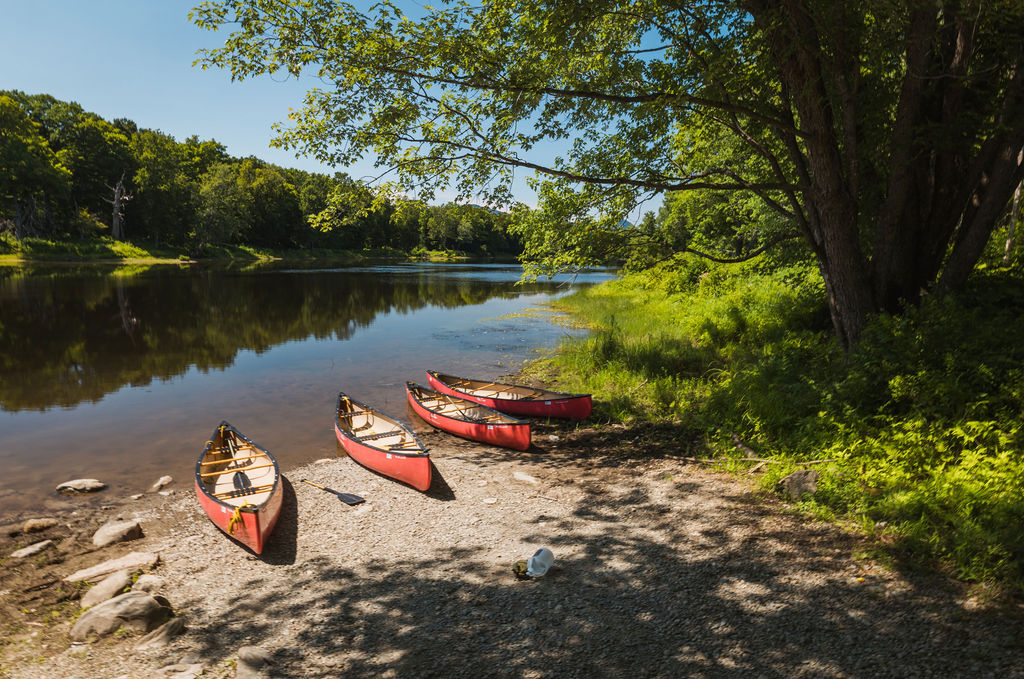
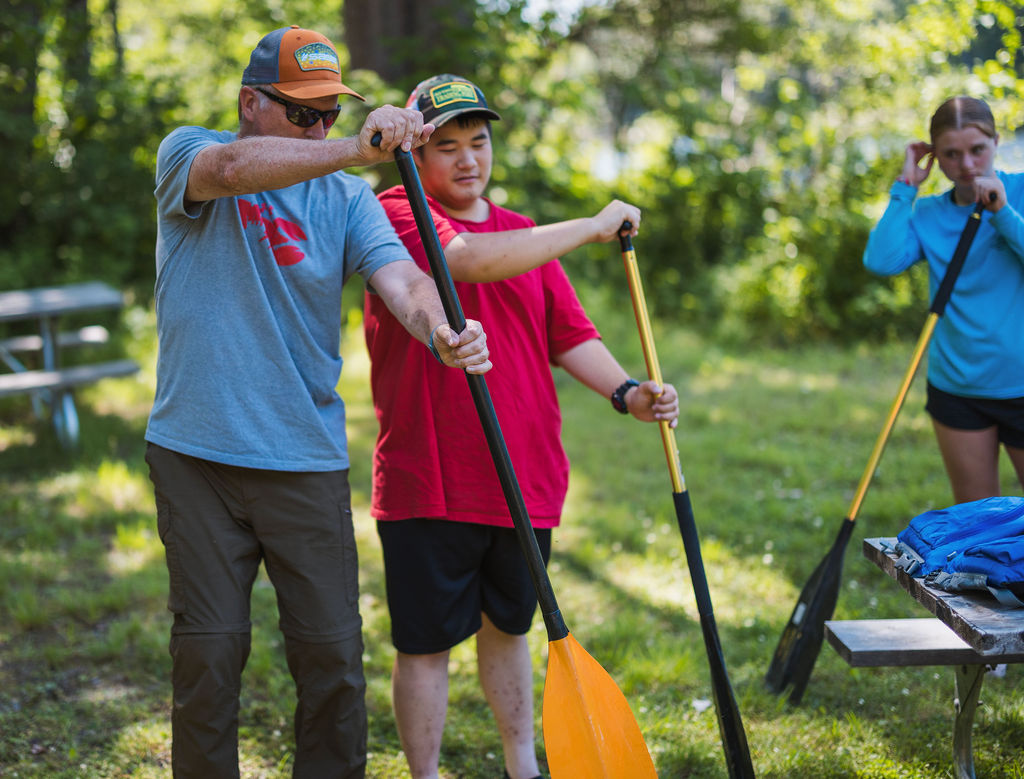
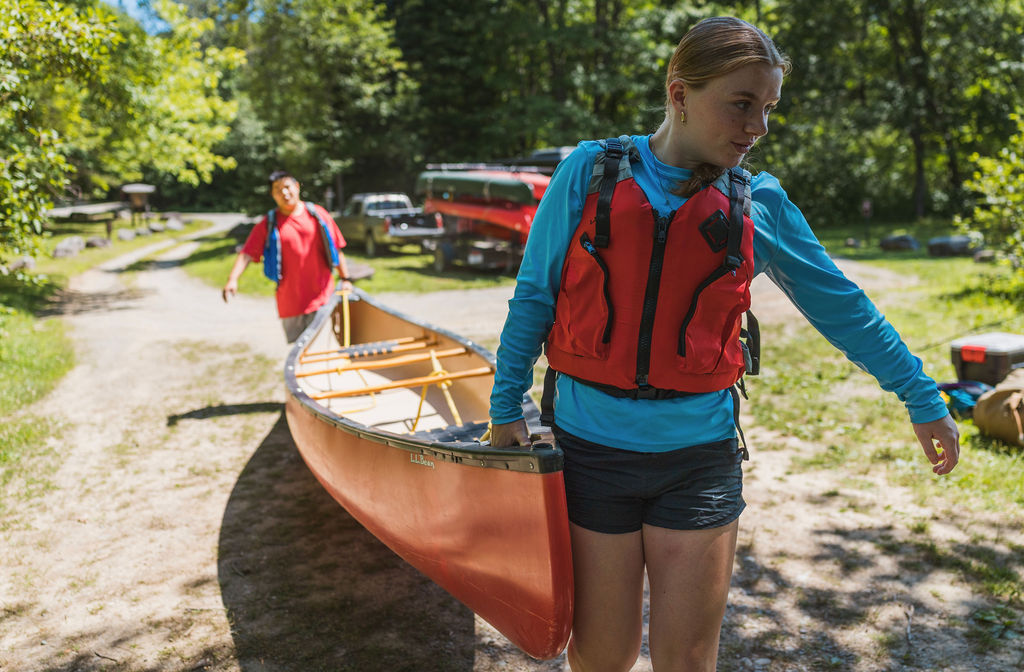
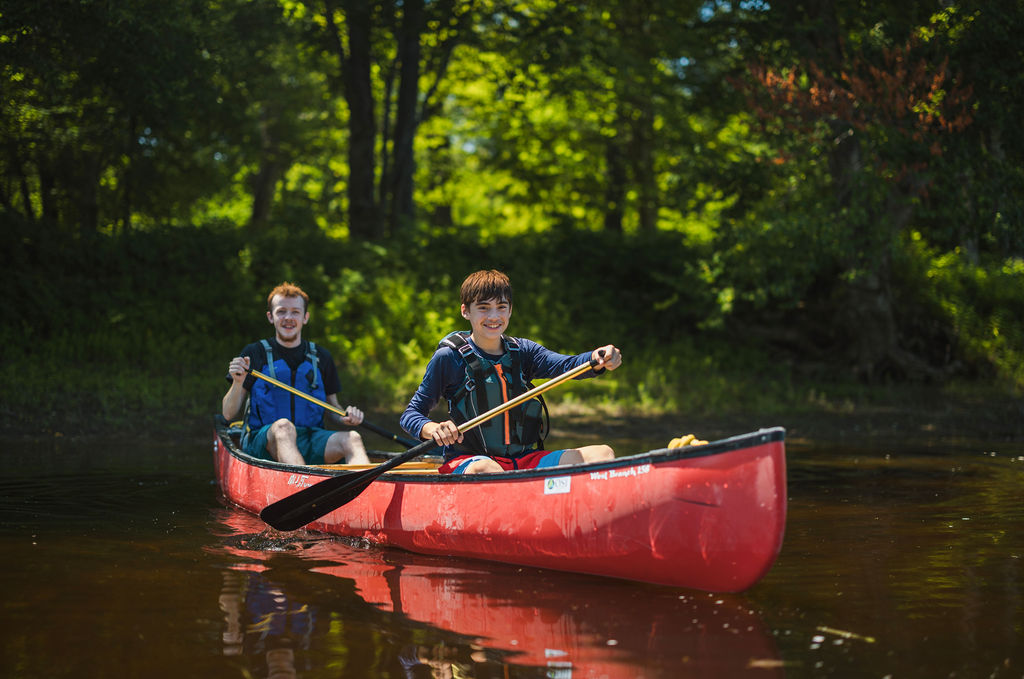
We arrived at Lunksoos on the East Branch of the Penobscot River with our trailer of boats, paddles, and piles of dry bags. After practicing paddling strokes and reviewing water safety on land, we took to the river. All of the students had been in a canoe before, but the J-stroke, C-stroke, draw, and pry were new to them. We zigzagged across the calm water before eventually getting the hang of it and paddling in something resembling a straight line.
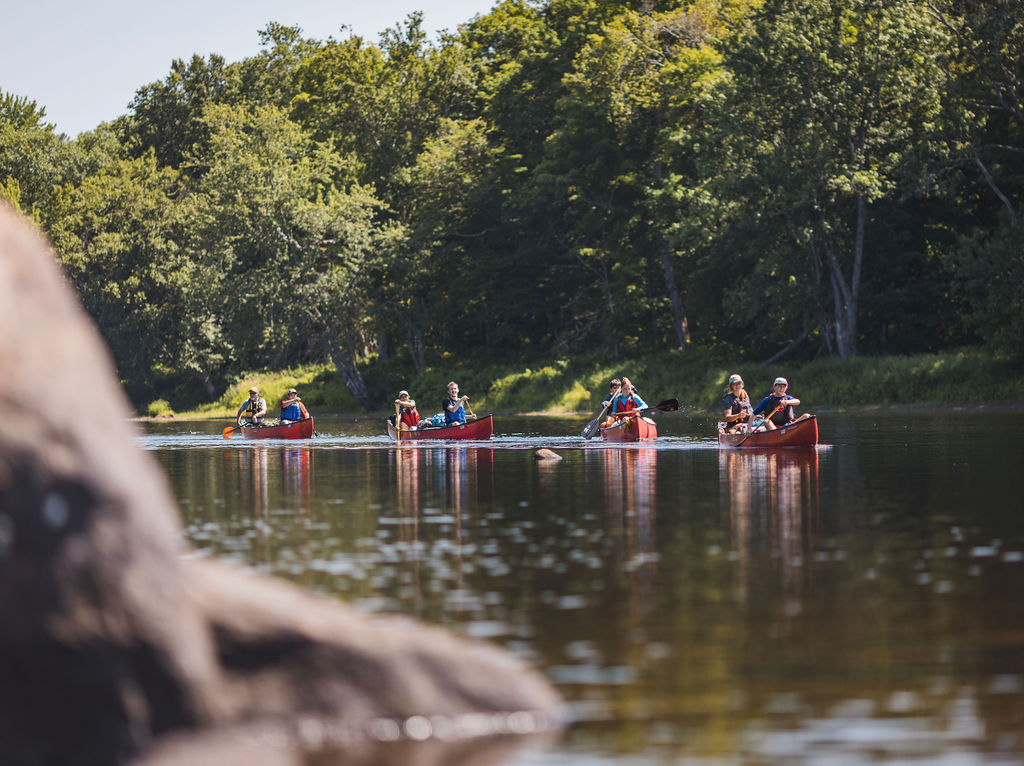
Just in time to learn what to do in a capsize.
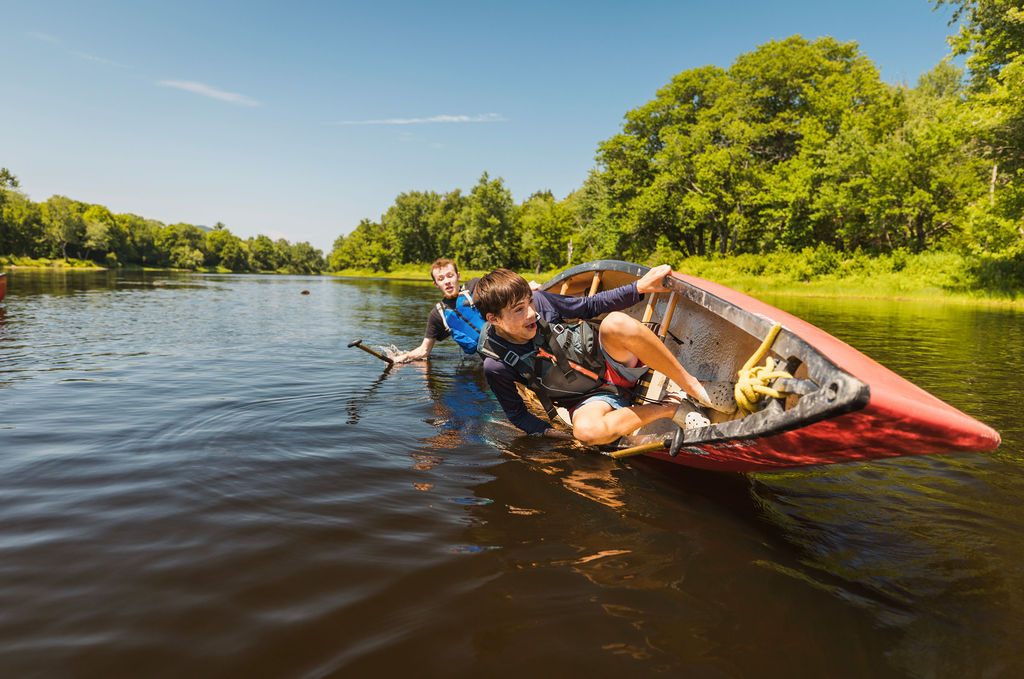
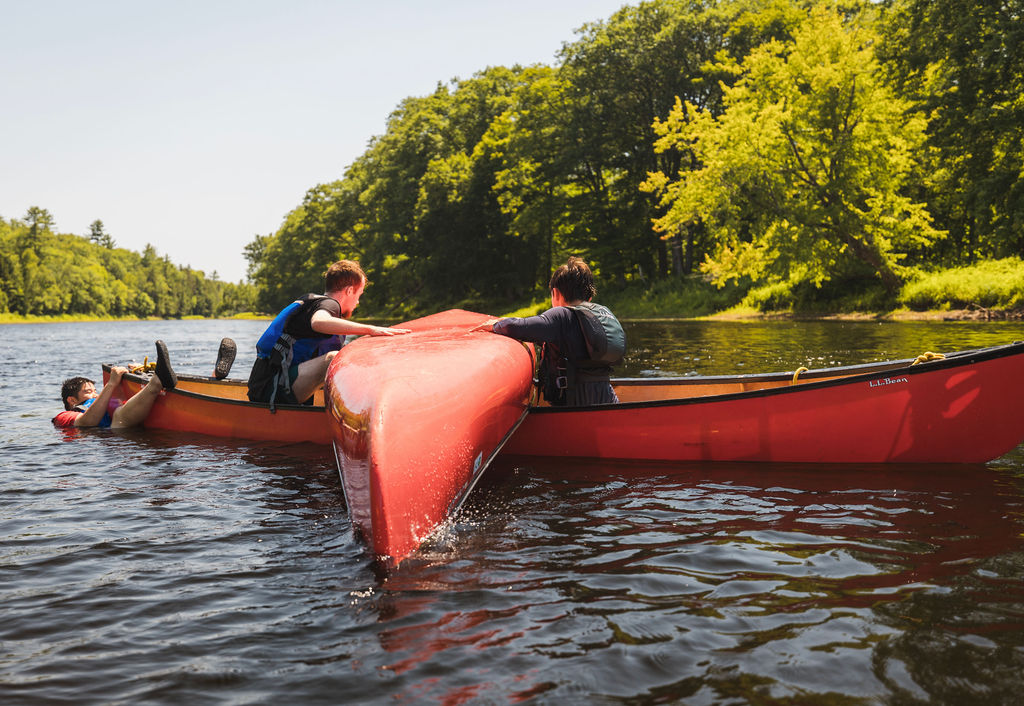
We instructed the students to flip their boats and practice a T-rescue with a nearby canoe. Some were excited to give it a try while others were understandably more hesitant. But every student mustered up the courage to flip their boat, and every one of them successfully righted it and climbed back in. A useful skill, but one we hoped we wouldn’t need on this trip.
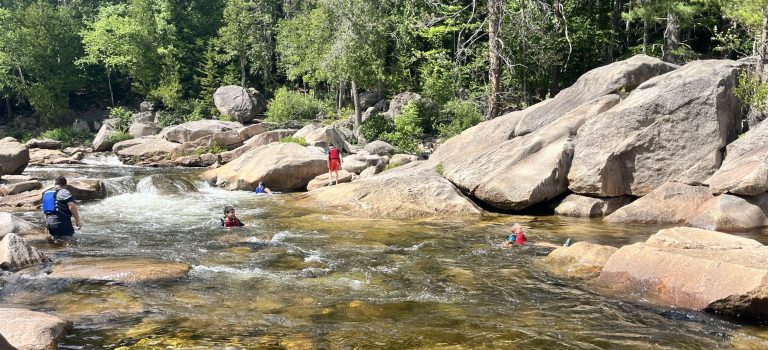
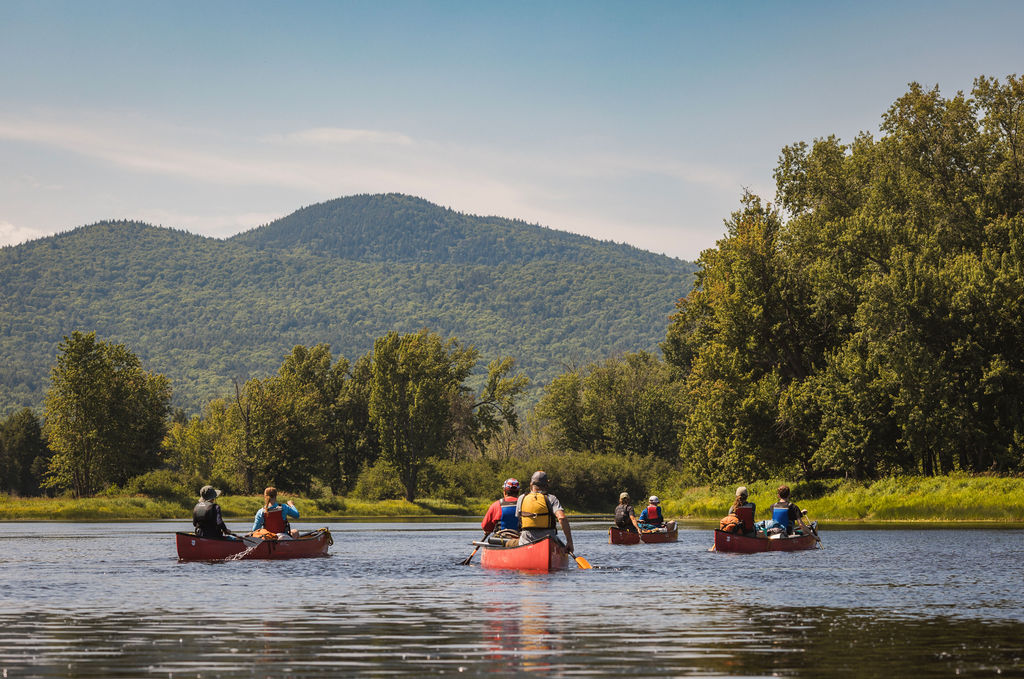
Eventually, our boats were loaded and we set off upstream toward our campsite at Big Seboeis, about two miles away. The kids remarked on how beautiful the river was as we alternated between paddling in silence, pointing out bright red cardinal flowers, admiring the view of Katahdin, and singing some ’80s tunes. About an hour and a half later, we arrived at camp, hot from the July sun, and the kids immediately jumped in the river.
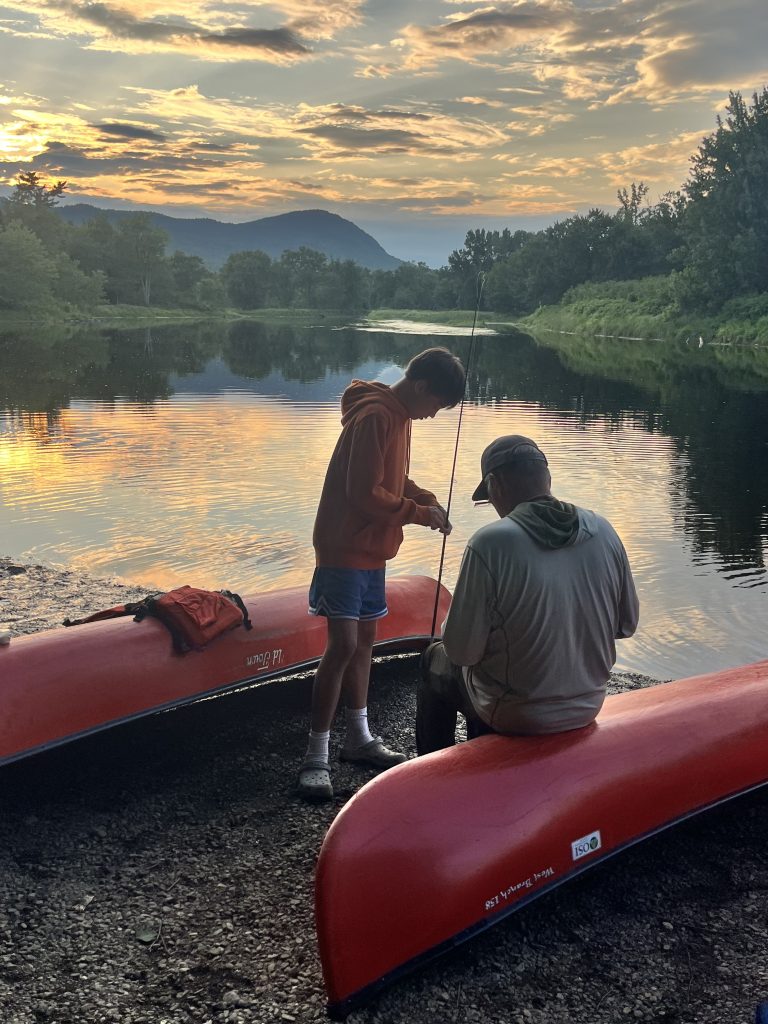
Camp life should be slow, and ours was. We putzed around between setting up camp, swatting mosquitoes, lounging, and admiring the view before dinner. We practiced backcountry skills like storing food in a canoe floating in the river, three methods for purifying water (and why it matters so much), setting up a bear hang, and learning Leave No Trace principles for camping. Greg also brought out the fly rod and gave us some pointers. A couple students caught chub and bass, which was a very thrilling moment in an otherwise peaceful evening.
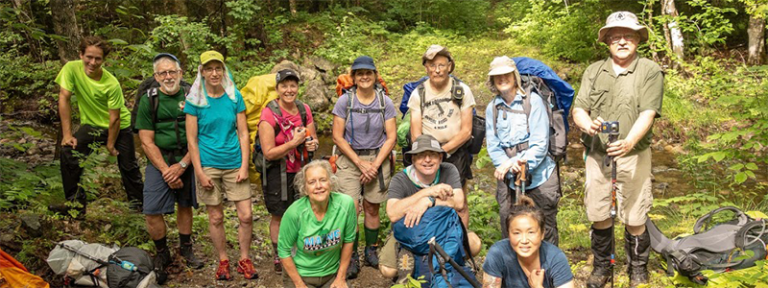
The following morning, the kids were up as early as the instructors. Some had an uncomfortable night on not-so-great sleeping pads; others were simply eager to get moving. We had an ambitious plan: an 8.2-mile hike from our backcountry campsite up Deasey Mountain.
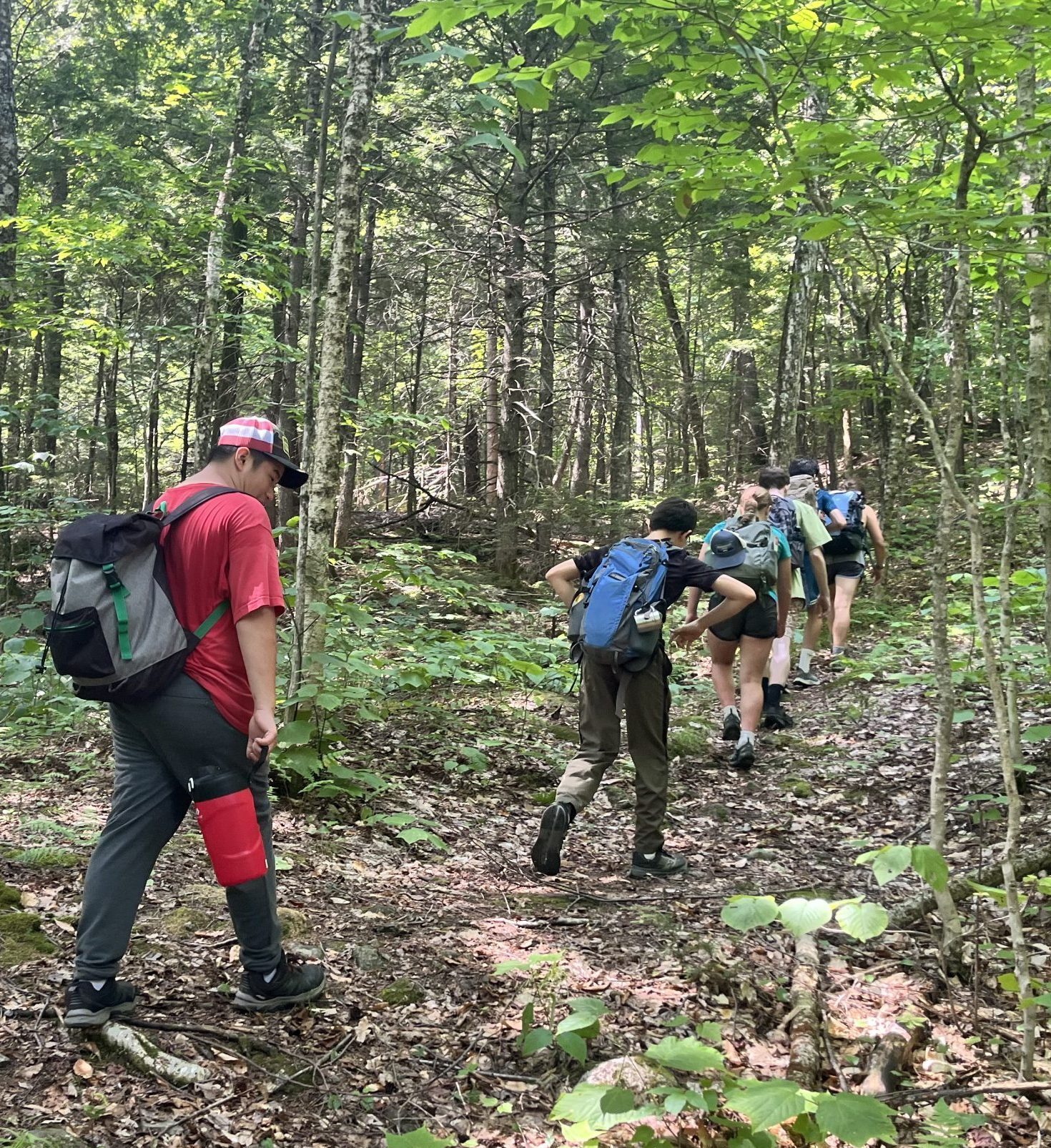
With an early start, lots of water, and the seemingly endless energy only middle schoolers can gather, we headed out. Along the way, students asked questions about the mushrooms we saw, wondered if trees had thoughts and feelings, and pondered how long they would stay in the woods if they could. They also noticed how the forest changed around us, from birch and maple to an old hemlock forest and eventually subalpine conifers. Pretty impressive observation skills.
We also practiced leadership skills, such as what it means to be at the front of the pack. I noticed a shift in our student leaders throughout the day. Instead of simply trying to set a fast pace, they began showing genuine empathy for the rest of the group- slowing down, checking in, and choosing thoughtful places to take breaks.
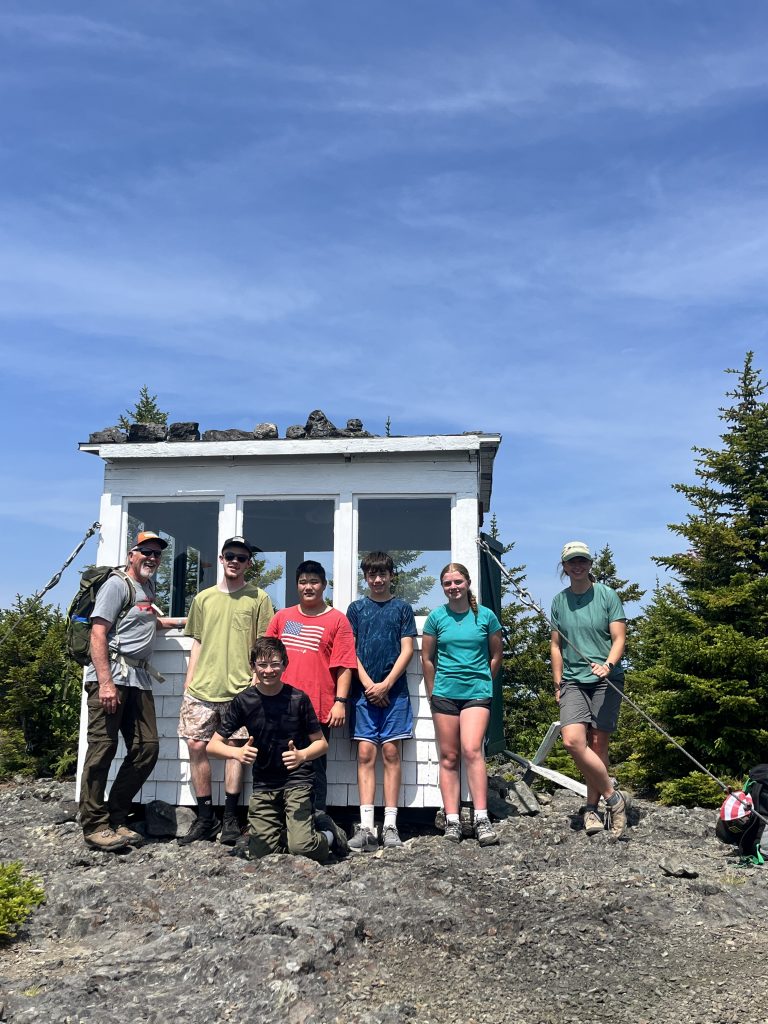
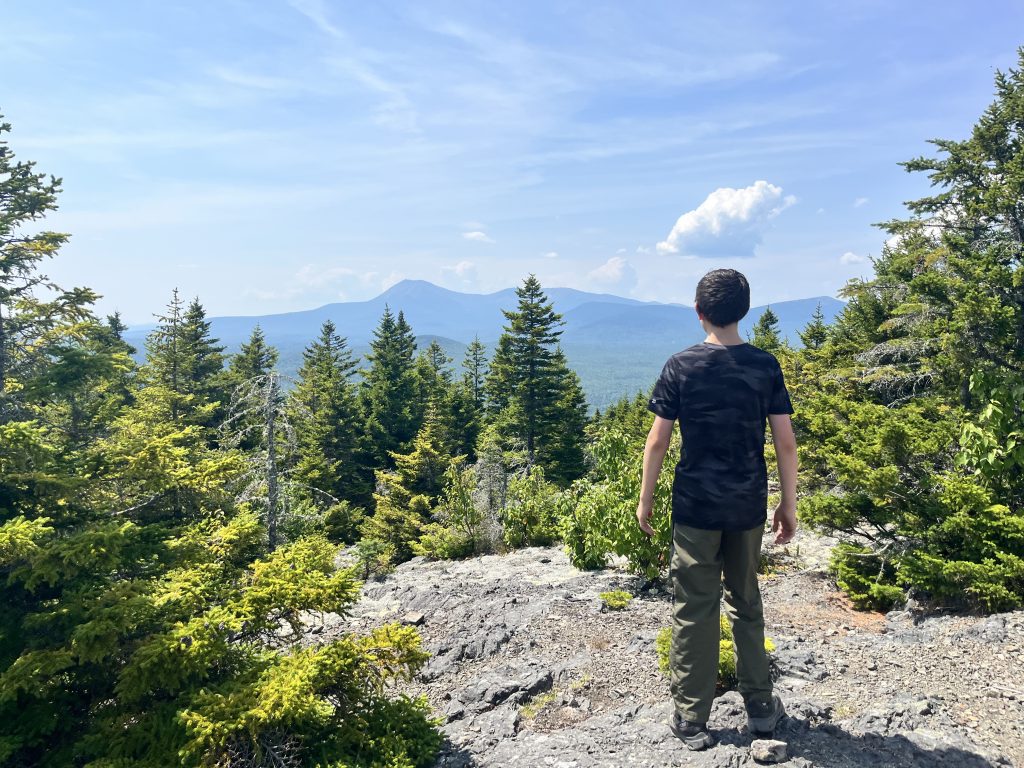
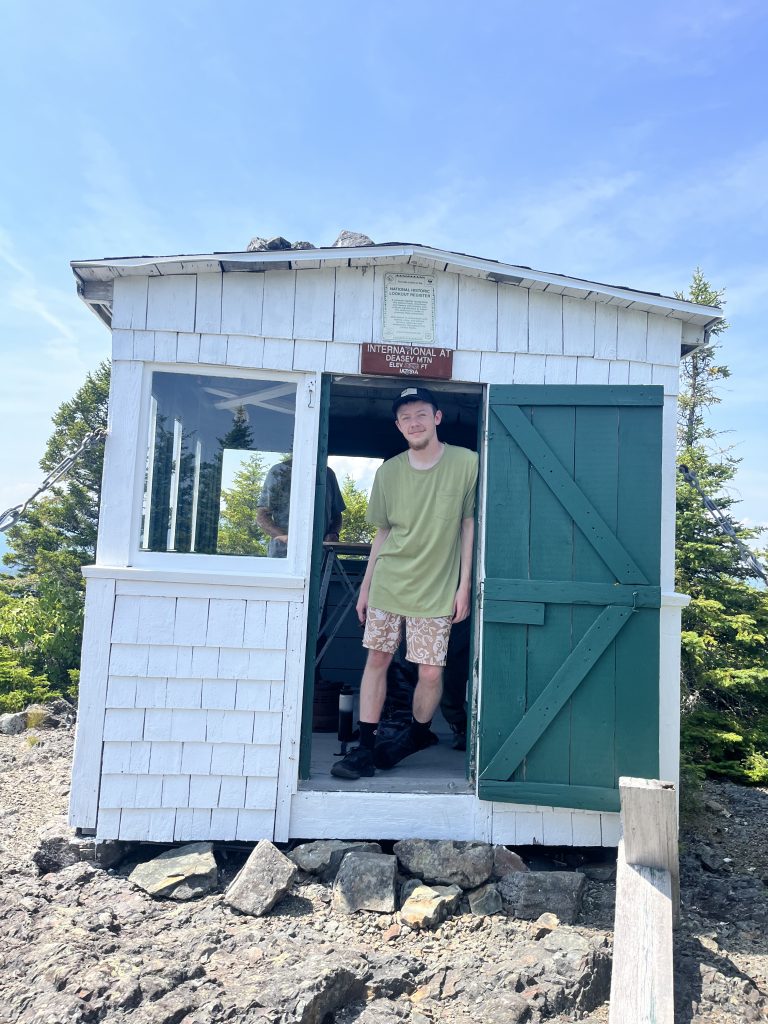
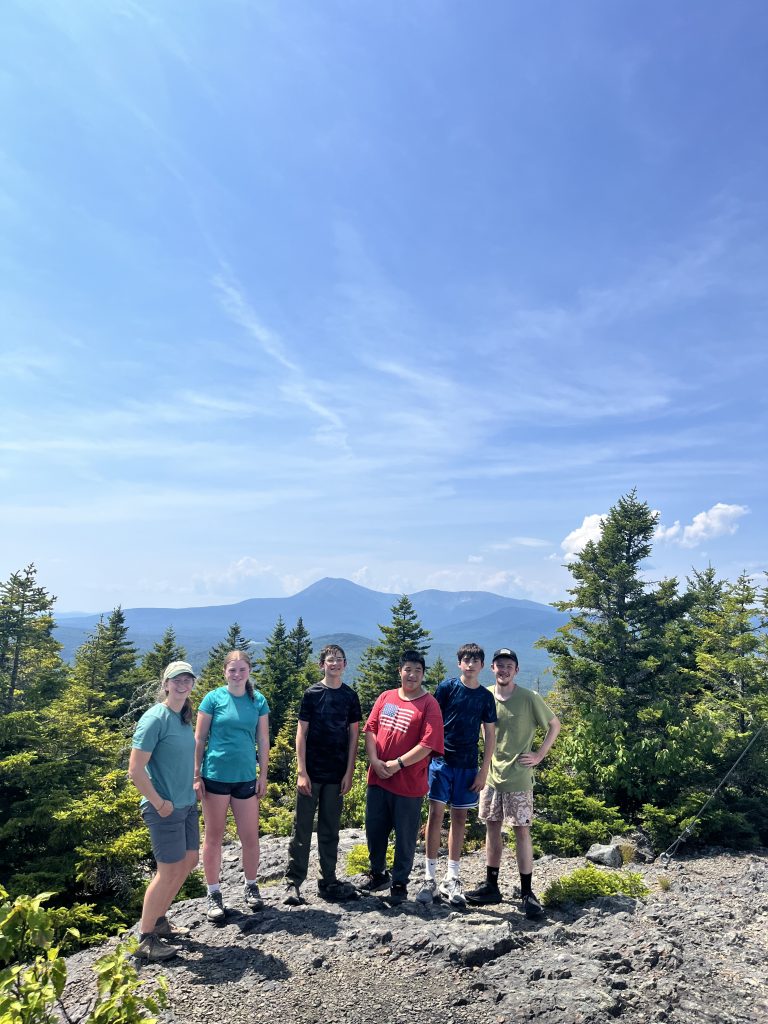
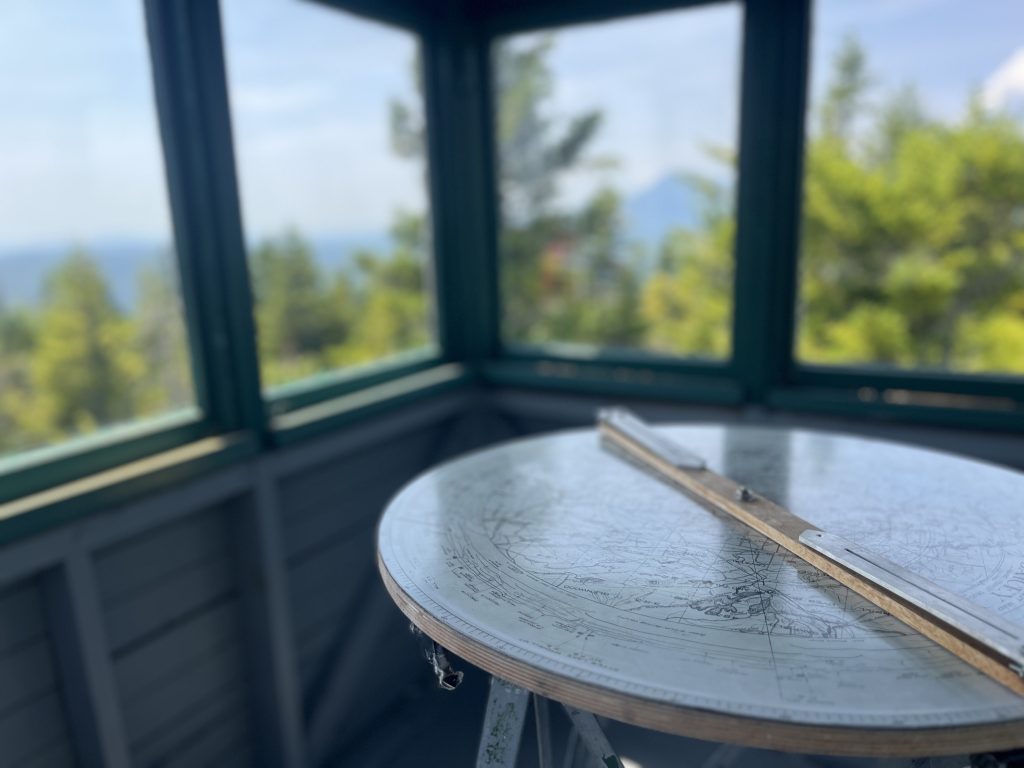
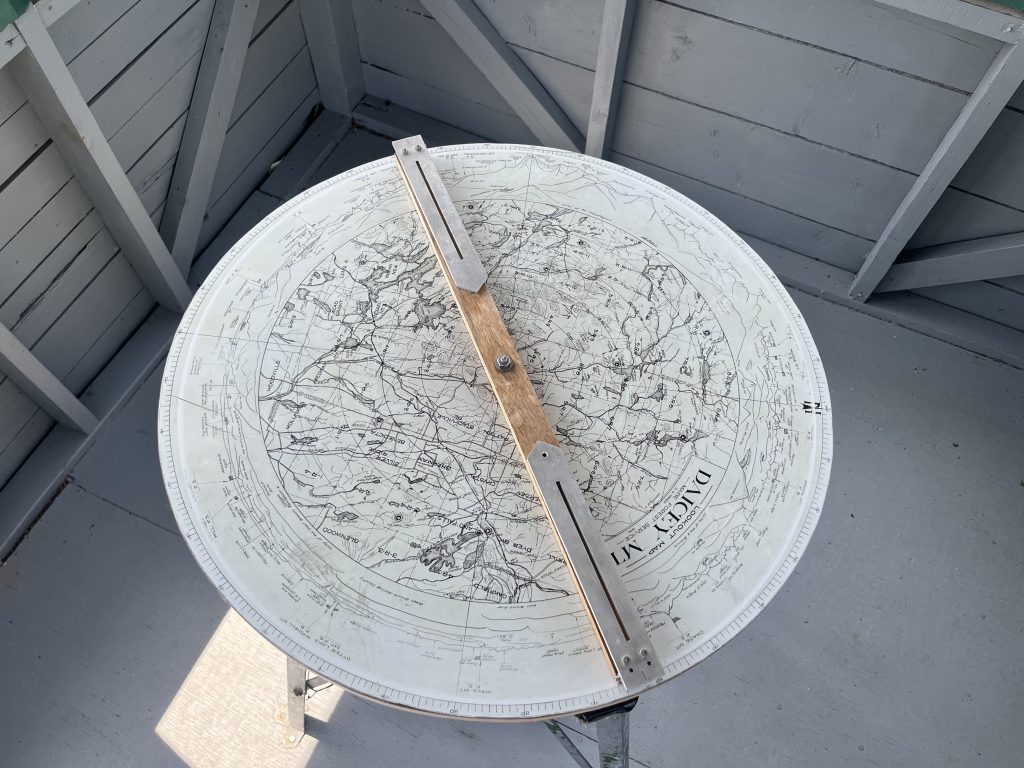
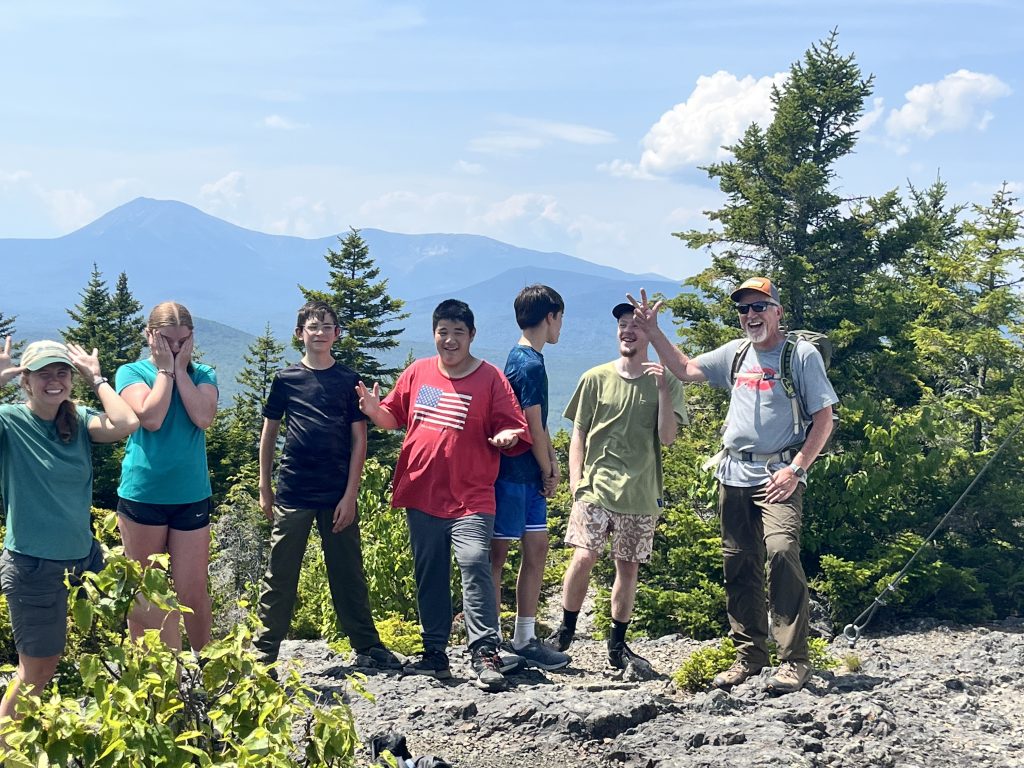
The hike challenged everyone, but there were no regrets when we reached the top and took in the view of Katahdin and the surrounding landscape. The students had fun learning the names of the nearby mountains using a historic panoramic map and alidade in the Deasey fire lookout. After lunch, we shared our favorite parts of the hike and no one even said their favorite part was that it was all downhill from there!
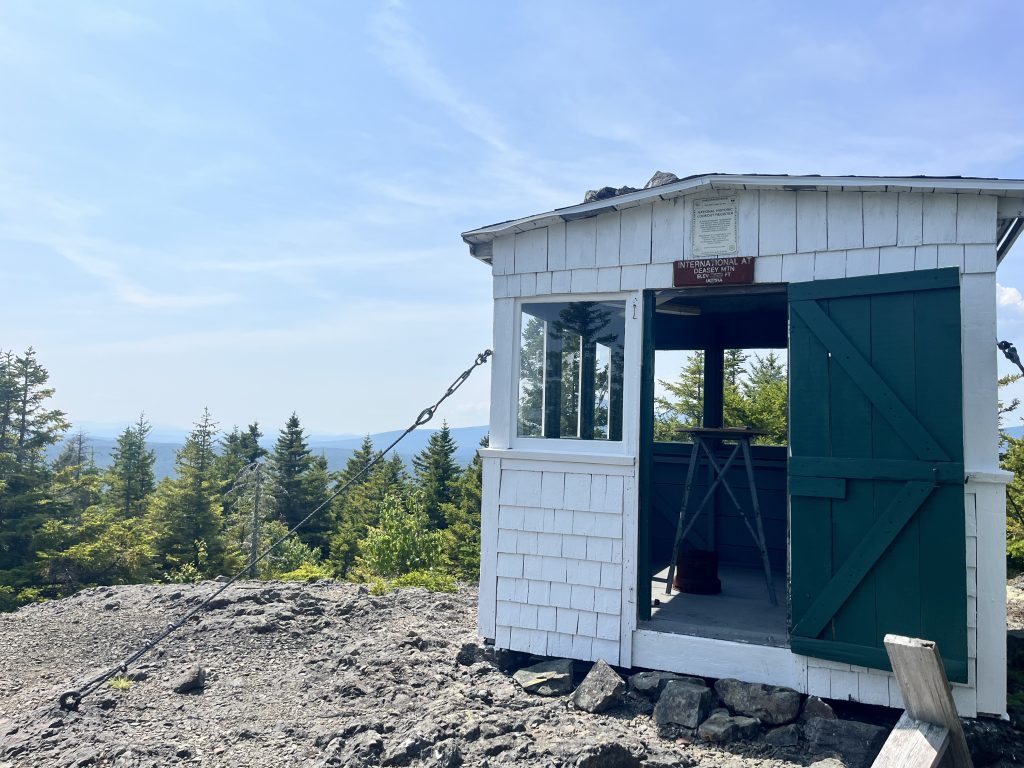
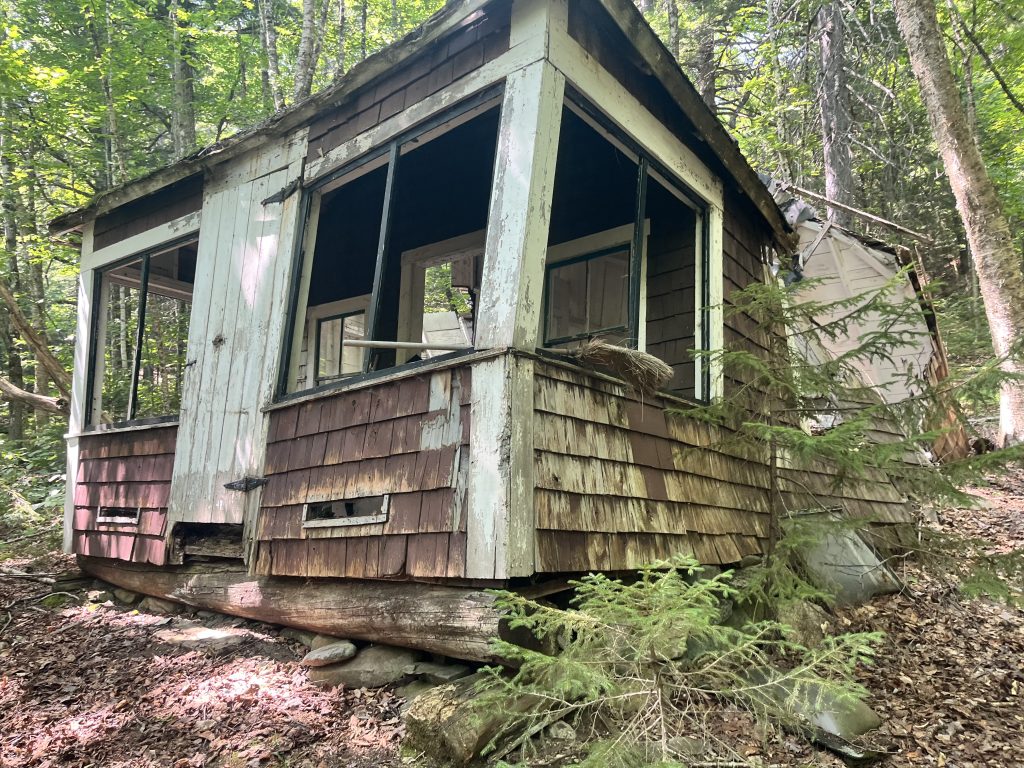
Back at camp, everyone was exhausted and, once again, the kids jumped into the river as fast as they could. Everyone took second and third helpings for taco night, and afterward there was considerably less enthusiasm for active games as the accomplishment of the hike sank in.
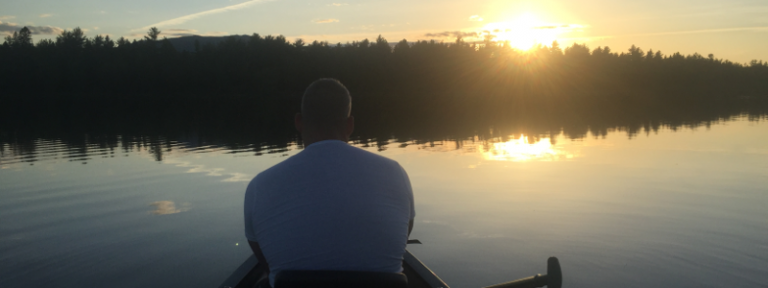
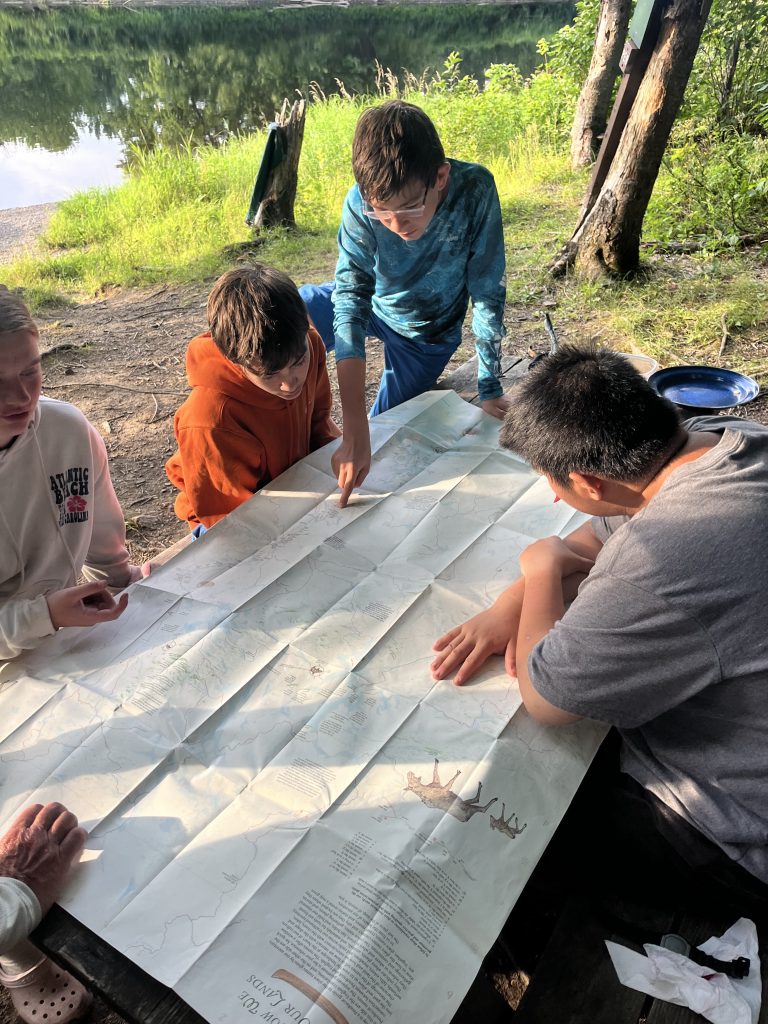
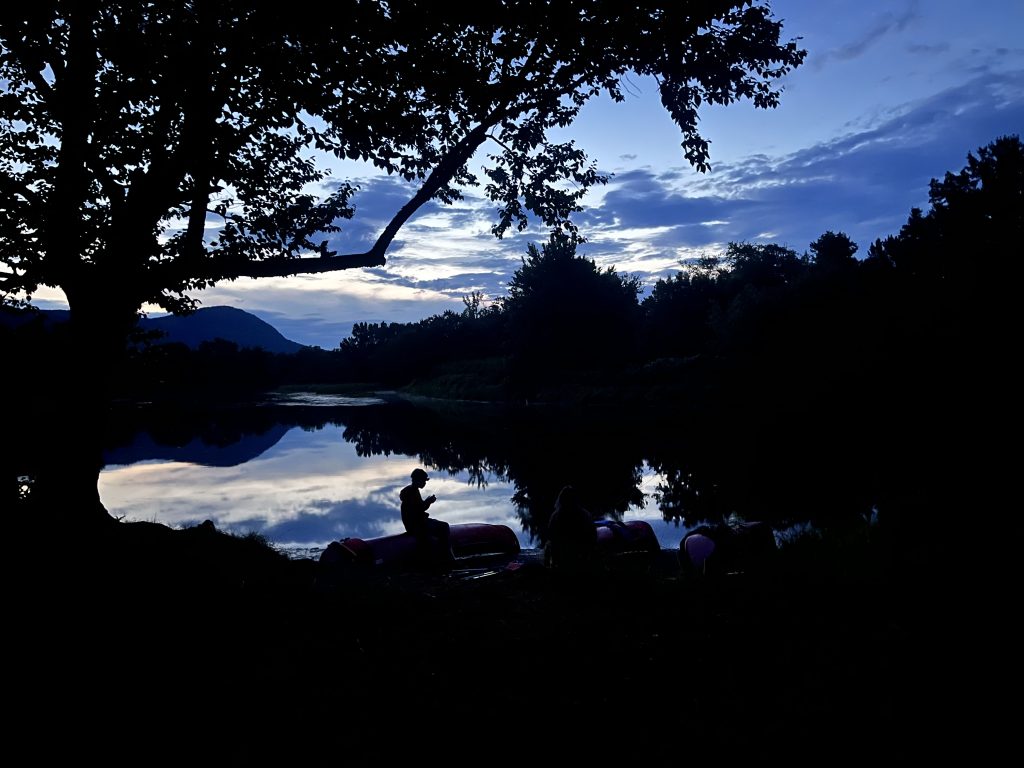
While the kids relaxed after dinner, I brought out the Wabanaki place-names map and we talked about the importance of this river to the Penobscot people. We discussed how the Penobscot people have used this river for thousands of years and continue to have a deep connection to this place today. The students asked thoughtful questions that led to deeper conversations about dams and water quality- not only their impacts on plants and animals, but implications for people, too. Michelle then led us down to the river and read an excerpt from Robin Wall Kimmerer’s The Serviceberry about reciprocity. As the sun set behind Lunksoos Mountain, the students reflected on how the river, the hike, the weather, the monument, and this experience were all gifts not to be taken for granted and how they all have opportunities to practice reciprocity. It was a fitting end to an adventurous day.
James Eric Francis Sr.
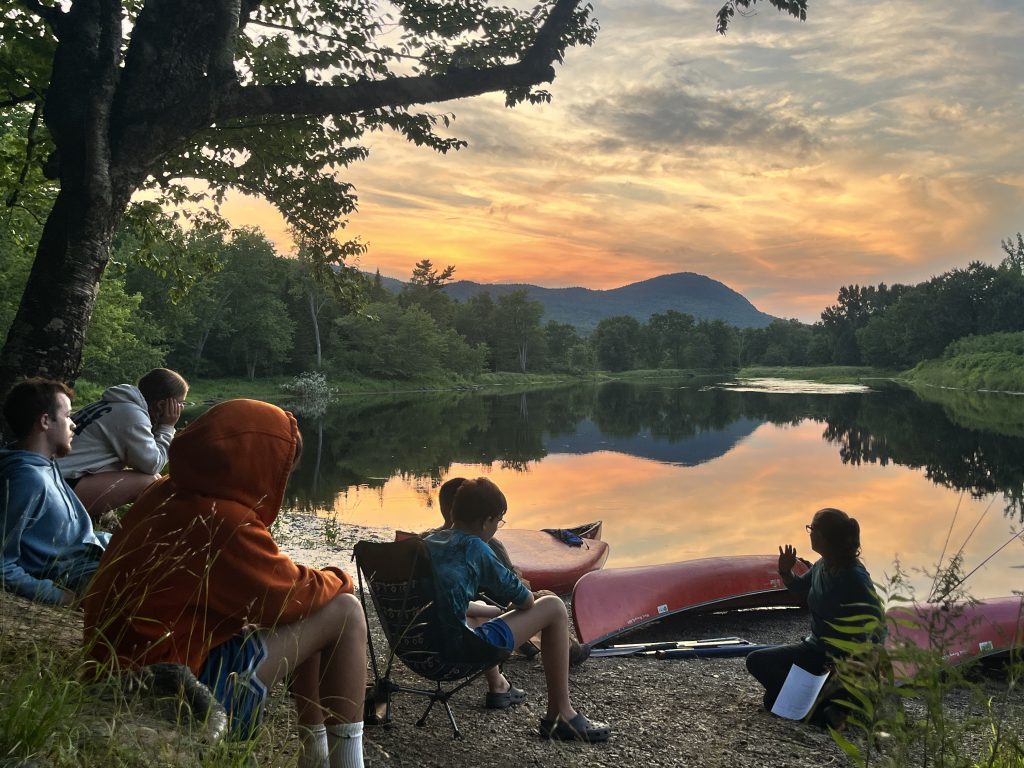
The next morning was quiet and misty, very different from the energy the sun had brought over the previous two days. The students stepped right up, with no complaints, to break down camp and prepare for departure. They volunteered to do dishes, helped each other take down tents, and pitched in wherever they were needed. I think these small leadership moments come, in part, from having been on these trips before. They know what needs to be done and understand their role in camp.
Our paddle back was almost completely silent as we followed a flock of geese on their journey downstream through the mist and drizzle.
During our end-of-trip debrief, I asked the students to reflect on two things: growth and leadership. Each of them had faced some kind of challenge on this trip, whether it was pushing through a difficult hike, trying something outside their comfort zone, or navigating the mental challenge of being part of a small group in the backcountry. I reminded them that the ability to move through those challenges and come out the other side is what turns a difficult experience into an opportunity for growth. I was proud of each of them for overcoming something hard on this trip. I asked them to reflect on what strategies helped them get through those moments and how it felt to look back on them from the other side.
We also reflected on leadership. Every student on this trip led in a different way- some by taking initiative, some by encouraging others, some by noticing when the group needed a break, and some simply by stepping in when chores needed to be done. They may not have realized it at the time, but they were practicing leadership throughout the entire trip.
This trip met and exceeded my expectations. Not only did I get to share the East Branch of the Penobscot River with local students, but I got to share it with a compassionate, energetic, and thoughtful group of future leaders who now have their own special connection to this place.